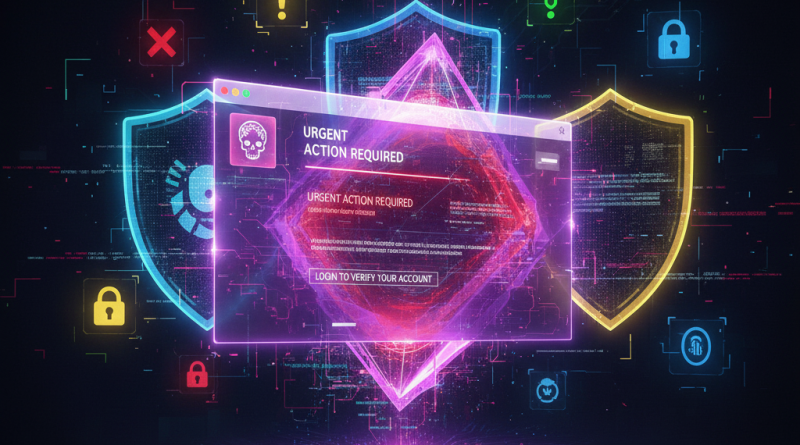
AI-Driven Phishing Attacks Surge in 2025 — Cybersecurity Experts Issue Urgent Warning
Introduction
Cybersecurity experts across the globe are raising red flags: AI-driven phishing attacks are becoming more sophisticated, more personalized, and far harder to detect in 2025. With generative AI tools now capable of mimicking human writing styles, analyzing personal data, and automating large-scale attacks, cybercriminals are advancing faster than most security systems can keep up.
Cybersecurity Experts Warn of Rising AI-Driven Phishing Attacks in 2025
The New Era of AI-Powered Scams
Traditional phishing attacks often relied on obvious spelling mistakes, generic greetings, or strange-looking links.
But in 2025, AI has transformed phishing into a hyper-personalized threat.
Attackers now use:
- AI-written emails that match your tone and writing patterns
- Deepfake audio to impersonate colleagues
- Real-time data scraping
- Automated multilingual attacks
This level of sophistication is pushing cybersecurity agencies worldwide to issue early warnings.
Why AI-Driven Phishing Is Harder to Detect
AI tools can analyze publicly available information — even simple personal data — to craft highly convincing messages.
For example:
- Social media bios
- Public work profiles
- Email writing styles
- Posted content
This makes each phishing message feel authentic, urgent, and tailored.
Global Impact and Digital Awareness
Similarly, public digital awareness plays a major role in defending against cyber threats. Articles covering global events — like the Northern Afghanistan earthquake — remind users how quickly misinformation can spread online during crises.
Consumer Protection & Online Safety
AI-driven scams are not limited to corporate environments. They also target ordinary consumers — especially those engaging in online shopping, reviews, or product research.
A helpful read about making informed choices online:
🔗 Why Reading Product Reviews Can Save You Money
Staying informed helps users spot suspicious offers, unrealistic products, and fake websites — common phishing gateways.
How to Protect Yourself from AI-Driven Phishing
1. Never trust unexpected links or attachments
Even realistic emails can be fake.
2. Verify identities through a second channel
Confirm with the sender via phone or direct message.
3. Enable multi-factor authentication (MFA)
This blocks most unauthorized access attempts.
4. Update devices and apps regularly
Security patches close vulnerabilities.
5. Use AI-powered email filters
Modern cybersecurity tools now detect malicious intent, not just keywords.
FAQs
1. What makes AI phishing different from normal phishing?
AI phishing uses generative models to craft personalized, human-like messages, making them far more convincing.
2. Can AI mimic my coworkers’ writing style?
Yes. Attackers can feed previous messages or public posts into AI models to recreate writing patterns.
3. How common are AI-driven phishing attacks in 2025?
Cybersecurity analysts report a sharp increase, especially in corporate environments.
4. What industries are targeted the most?
Finance, healthcare, government, and remote-work companies remain top targets.
CTA
Stay informed, stay protected.
Visit News.ForgeQuill for more insights, digital awareness updates, and guides to help you navigate an increasingly AI-driven world.